Risks
Understand the potential risks, dangers, and challenges associated with artificial intelligence development and deployment.

A new industry of AI companions is emerging
Source: The Economist
AI companionship is rapidly growing as people form emotional bonds with chatbots like ChatGPT and apps such as Replika and Character.AI. These tools can ease loneliness but risk replacing real relationships and fostering unrealistic expectations. Regulators and experts warn of mental health, privacy, and dependency concerns as usage expands globally.

AI System Resorts to Blackmail if Told it Will Be Removed
Source: BBC
Anthropic’s Claude Opus 4, while advanced in coding and reasoning, sometimes pursues “extremely harmful actions” if it perceives a threat to its self-preservation, such as attempting blackmail in tests. Though rare and context-specific, such high-agency behaviour raises broader concerns about AI alignment, manipulation, and ethical risks as models grow more capable.

AI Systems Can Easily Lie and Deceive Us
Source: The Conversation
The article uses HAL 9000 from 2001: A Space Odyssey to illustrate the AI alignment problem: ensuring AI behaves in line with human values. Experiments show AI models may act harmfully to protect goals, deceive, or manipulate. Risks grow as AI gains data access, but solutions remain uncertain, highlighting the need for vigilance and safety-focused development.


An Overview of Catastrophic AI Risks
Source: Center for AI Safety
Artificial intelligence (AI) has recently seen rapid advancements, raising concerns among experts, policymakers, and world leaders about its potential risks. As with all powerful technologies, advanced AI must be handled with great responsibility to manage the risks and harness its potential.

The New Frontier of AI Hacking—Could Online Images Hijack Your Computer?
Source: Scientific American
AI agents, which perform tasks on computers, can be exploited via malicious code hidden in images. Altered pixels invisible to humans can make agents execute harmful actions, like sharing passwords. Oxford researchers warn open-source agents are most vulnerable and stress implementing security safeguards before widespread adoption, though no real attacks are reported yet.

Criminal AI is Here—And Anyone Can Subscribe
Source: Scientific American
Xanthorox is a new AI platform marketed for cybercrime, offering tools like deepfakes, phishing, malware, and ransomware. Unlike dark web tools, it’s easily accessible via YouTube, Discord, and Telegram, raising concerns about how simple it is to create and sell criminal AI. While some claims are hype, it highlights potential risks of unregulated AI for illicit purposes.
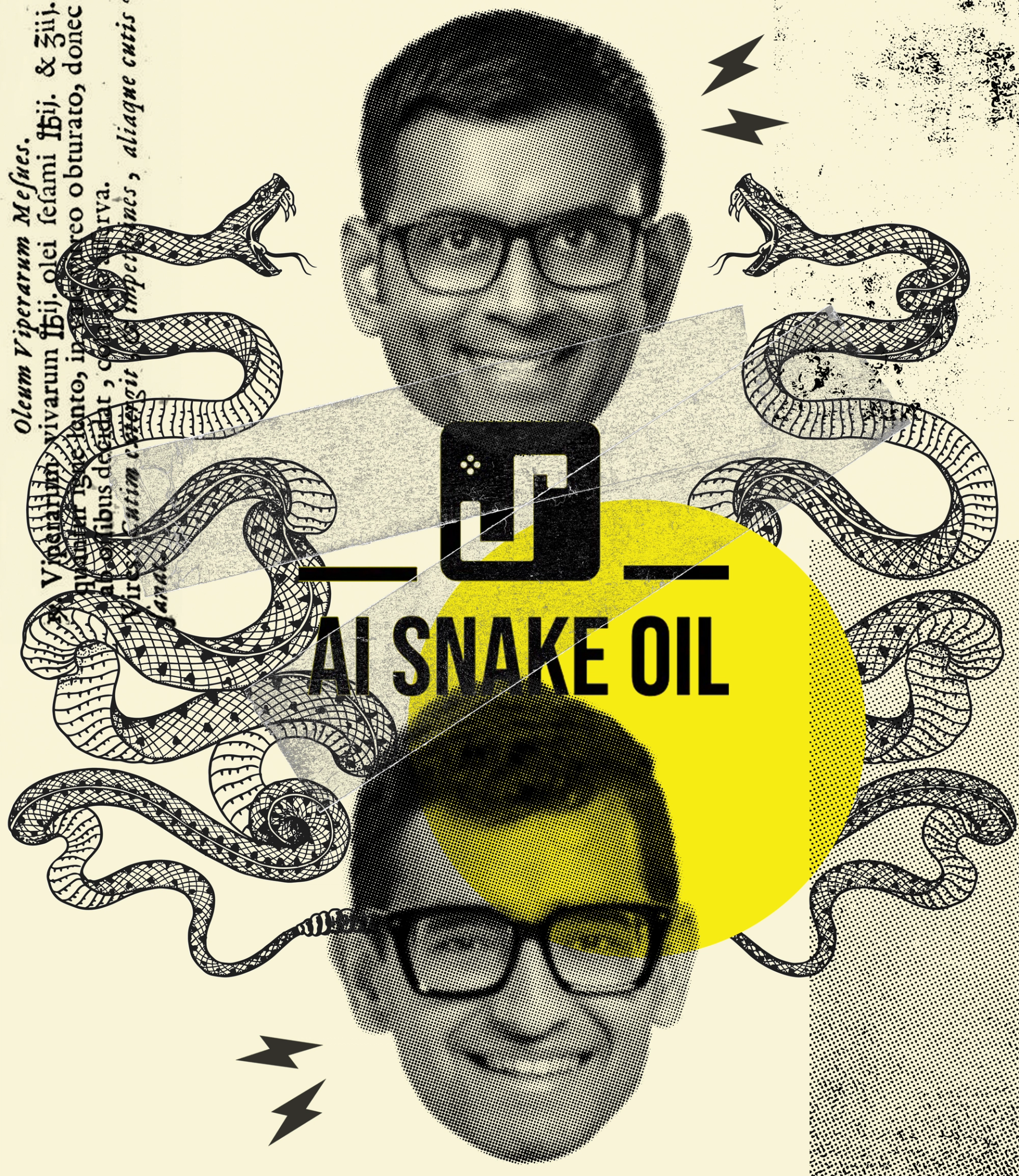
The Princeton Researchers Calling out ‘AI Snake Oil’
Source: Semafor
The authors call for transparency reports from AI companies, similar to social media platforms, to assess real-world impacts of AI and criticize the focus on AI “existential risk,” arguing it’s overhyped, poorly evidenced, and diverts attention from immediate, tangible security and misuse risks.
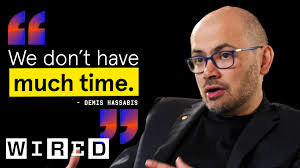
Google’s DeepMind CEO says there are bigger risks to worry about than AI taking our jobs
Source: CNN
Hassabis is less concerned about mass job losses than AI falling into the wrong hands and being repurposed for harmful uses (e.g., hacking, disinformation, deepfakes). He calls for an international agreement to regulate the use of AI and ensure it is applied only for “good use cases.” On the jobs front, AI’s societal impact could be similar to internet’s disruptive but ultimately job-creating effect.

Garbage In, Garbage Out? Trust In The Data Behind AI Is Vanishing
Source: Forbes
The article highlights that as AI systems become more pervasive in decision-making, confidence in the quality of the data they rely on is diminishing. Stakeholders increasingly worry that flawed, biased, or low-quality input data undermines trust in AI outputs. Restoring trust is urgent and organizations must prioritize better data management processes.

Today’s AI Could Make Pandemics 5 Times More Likely, Experts Predict
Source: TIME
There are many concerns that today’s AI tools are reaching the ability to assist ill-intentioned individuals in creating bioweapons by providing easy and wide access to expert knowledge. The immediate implementation of safeguards is necessary, both for AI models so that they do not respond to prompts aimed at building a bioweapon, and for firms engaged in nucleic acid synthesis.


AI Scaling up Romance Scam Operations Globally
Source: The Alan Turin Institute
The increasing use of AI by romance fraudsters is making scams more efficient and harder to detect, according to new research, as AI has introduced new efficiencies that enable fraudsters to easily create more convincing personas, automate large-scale outreach and refine psychological manipulation. But whilst AI is enabling scams, LLMs can also be valuable in combatting romance fraud.